
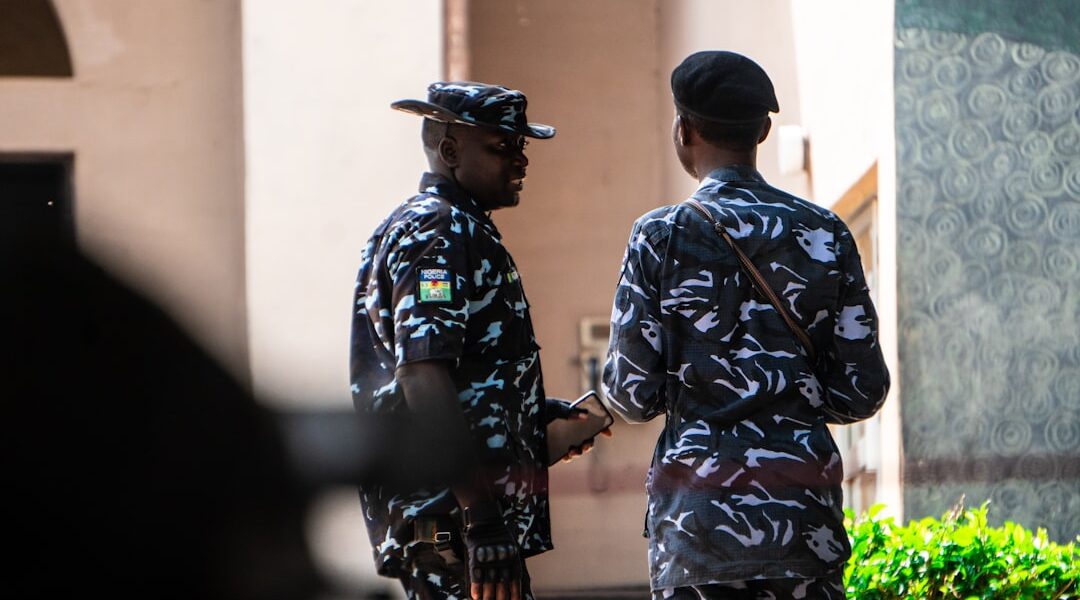
The Patronage Problem: How Foreign Funding Stifles True Artistic Innovation in the Nigerian Art Scene
The Nigerian art scene has long been celebrated for its vibrant creativity and diverse expression. Yet, beneath the surface of this thriving industry lies a complex issue that threatens to undermine the very essence of artistic innovation – foreign patronage. While international support may bring a welcome influx of resources and visibility, it also poses a significant threat to the autonomy and authenticity of Nigerian artists.
At first glance, the prospect of foreign funding appears irresistible. For many artists, the promise of financial stability and global recognition is too great to resist. The initial excitement and sense of validation that comes with securing international support can be intoxicating, fueling a sense of accomplishment and legitimacy. However, beneath this façade lies a subtle erosion of artistic autonomy and authentic expression. As artists become increasingly beholden to external expectations and aesthetics, they risk sacrificing their unique perspectives and creative visions on the altar of commercial success.
One of the primary ways in which foreign funding stifles artistic innovation is through the curatorial gaze – the lens through which external patrons and institutions view and interpret Nigerian art. This gaze is often characterized by thematic expectations and aesthetic biases that are rooted in Western perceptions of Africa. The result is a homogenized and sanitized narrative that fails to capture the complexity and diversity of the Nigerian art scene. Artists are pressured to create works that conform to these expectations, producing ‘African’ art that aligns with the preconceptions of foreign buyers and institutions.
The impact of this external influence can be seen in the rise of ‘exportable’ aesthetics – works that are tailored to appeal to a global market, rather than genuinely reflecting the creative vision of the artist. This mimicry trap is a pernicious one, as it stifles the development of local experimental art forms and encourages artists to prioritize commercial appeal over artistic innovation. In an industry where creativity and risk-taking are essential to growth and evolution, the pressure to conform to external expectations can be suffocating.
So, how can we reclaim the narrative and empower Nigerian artists to dictate their own creative paths? One strategy is to cultivate a robust local art market and indigenous funding mechanisms. By supporting and investing in local art initiatives, we can create a self-sustaining ecosystem that allows artists to grow and develop without the need for external validation. This approach prioritizes the unique perspectives and creative visions of Nigerian artists, rather than trying to fit them into predetermined narratives and aesthetics.
Another key strategy is to foster a culture of patronage that is grounded in the local community. By supporting artists through local grants, residencies, and exhibitions, we can create a sense of ownership and investment in the art scene. This approach not only empowers artists to take control of their own creative paths but also encourages a more nuanced and authentic understanding of Nigerian art and culture.
In conclusion, the patronage problem is a complex and multifaceted issue that requires a nuanced and thoughtful approach. While foreign funding may bring financial stability and global recognition, it also poses a significant threat to the autonomy and authenticity of Nigerian artists. By reclaiming the narrative and fostering indigenous patronage and vision, we can create a thriving and sustainable art scene that reflects the unique perspectives and creative visions of Nigerian artists. It is only through this approach that we can truly celebrate the diversity and innovation of the Nigerian art scene, rather than stifling it with external expectations and biases.
No comments yet
Be the first to share your thoughts on this post.