
The Flaws in Modern-Day African Cultural Appropriation: Where Authenticity Matters
Cultural appropriation – the act of taking or using elements of one culture by members of another culture – is a complex and multifaceted issue that has been debated extensively in recent years. However, when it comes to Africa, a continent with over 2,000 languages and more than 3,000 ethnic groups, the dynamics of cultural exchange take on a unique significance. In this post, we’ll delve into the intricacies of cultural appropriation in Africa, exploring the origins of cultural exchange, the dangers of reducing complex cultures to trends, and the importance of authenticity in cultural expression.
Understanding Cultural Appropriation in Africa
Cultural exchange has been an integral part of human history, with civilizations across the globe influencing and learning from one another. In Africa, cultural exchange has been facilitated by trade routes, migration, and colonialism, resulting in the exchange of ideas, customs, and traditions. However, in the modern era, cultural appropriation has taken on a different form. Social media platforms, in particular, have created a space for African cultures to be consumed and commodified, often without proper understanding or respect for their context and history.
The Dangers of Reducing Complex Cultures to Trends
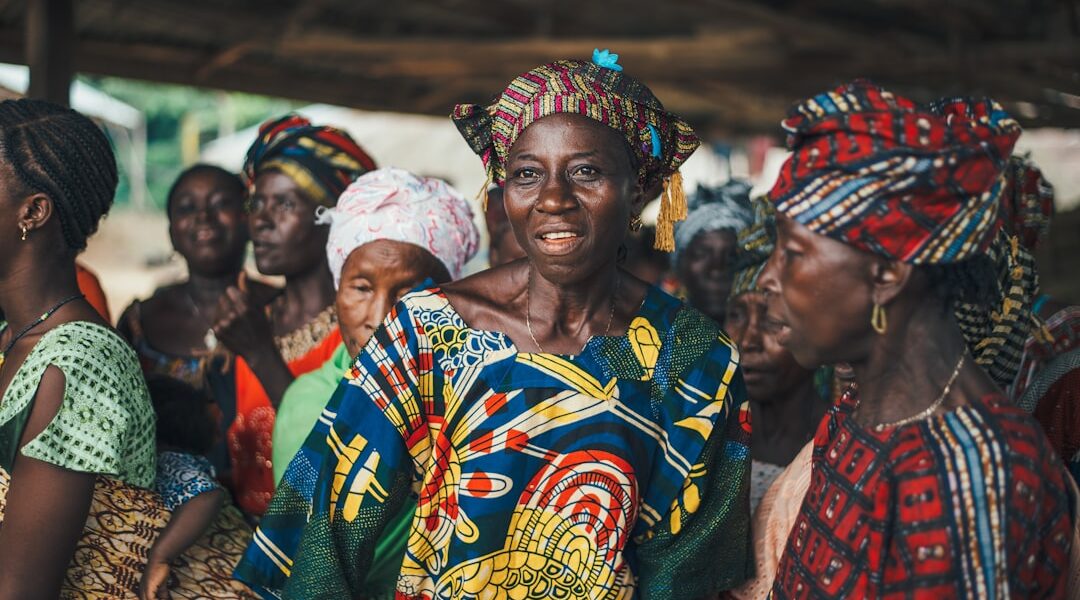
When cultures are reduced to trends, they lose their depth and significance. African cultures, in particular, are rich and multifaceted, with a history that spans thousands of years. From the intricate wood carvings of the Yoruba people to the vibrant textiles of the Hausa, African cultures are a testament to the creativity and resilience of the continent’s people. However, when these cultures are reduced to trendy accessories or fashion statements, they are stripped of their meaning and context.
For example, the use of African-inspired prints and patterns in fashion has become increasingly popular in recent years. While it’s great to see African cultures being celebrated, the problem lies in the fact that these designs are often created without any understanding of their cultural significance. The intricate patterns and symbols that adorn African textiles are not just aesthetically pleasing – they often hold deep meaning and significance within the cultures that created them.
African Cultural Expression in the Global Arena
Social media has played a significant role in amplifying African culture, providing a platform for artists, musicians, and writers to share their work with a global audience. Platforms like Instagram, YouTube, and TikTok have created a space for African creatives to showcase their talents and connect with audiences around the world. However, this increased visibility has also led to a proliferation of cultural appropriation, with non-African creatives borrowing from African cultures without proper understanding or credit.
The rise of Afrobeat music is a prime example of African cultural expression in the global arena. Artists like Wizkid, Davido, and Tiwa Savage have become global sensations, inspiring a new generation of musicians and fans around the world. However, the increased popularity of Afrobeat has also led to cultural appropriation, with non-African artists incorporating elements of the genre into their own music without proper understanding or credit.
Challenges in Representing African Identity in Global Contexts
Representing African identity in global contexts is a complex and challenging task. African cultures are diverse and multifaceted, making it difficult to create a single, unified representation of the continent. Moreover, the historical legacy of colonialism and racism has created a power imbalance, making it difficult for African voices to be heard and respected in global contexts.
The use of African cultural symbols and imagery in advertising and branding is a prime example of this challenge. While it’s great to see African cultures being celebrated, the problem lies in the fact that these symbols and imagery are often used as a marketing tool, rather than as a genuine expression of cultural appreciation. For example, the use of African masks and headdresses in fashion and design has become increasingly popular in recent years, but the cultural significance of these symbols is often lost in the process.
Authenticity and Cultural Exchange: A Delicate Balance
Authenticity is key when it comes to cultural exchange. When cultures are borrowed or borrowed from without proper understanding or respect, it can lead to cultural appropriation. However, when cultures are exchanged with mutual respect and understanding, it can lead to true cultural exchange.
The importance of understanding context and history cannot be overstated. When cultures are reduced to trends or fashion statements, they lose their depth and significance. Moreover, the cultural significance of African cultures is often lost in the process, with non-African creatives borrowing from African cultures without proper understanding or credit.
The Need for Collaboration and Mutual Respect
Collaboration and mutual respect are essential when it comes to cultural exchange. African creatives should be involved in the creative process, providing guidance and insight into the cultural significance of the elements being borrowed. Non-African creatives should also be willing to listen and learn, rather than simply borrowing from African cultures without proper understanding or credit.
The need for collaboration and mutual respect is particularly important in the digital age, where social media platforms have created a space for cultural exchange. African creatives should be empowered to share their work and connect with audiences around the world, while non-African creatives should be willing to listen and learn from African cultures.
Moving Forward: Fostering Inclusive and Respectful Cultural Exchange
Moving forward, it’s essential to foster inclusive and respectful cultural exchange. African creatives should be empowered to share their work and connect with audiences around the world, while non-African creatives should be willing to listen and learn from African cultures.
Creating platforms for authentic cultural expression is key to fostering inclusive and respectful cultural exchange. Social media platforms, in particular, have the power to amplify African cultures and provide a space for African creatives to connect with audiences around the world.
Empowering African Voices in the Appropriation Conversation
Empowering African voices in the appropriation conversation is essential to fostering inclusive and respectful cultural exchange. African creatives should be involved in the creative process, providing guidance and insight into the cultural significance of the elements being borrowed. Non-African creatives should also be willing to listen and learn from African cultures, rather than simply borrowing from African cultures without proper understanding or credit.
Creating platforms for African voices to be heard and respected is key to empowering African voices in the appropriation conversation. Social media platforms, in particular, have the power to amplify African cultures and provide a space for African creatives to connect with audiences around the world.
Creating Platforms for Authentic Cultural Expression
Creating platforms for authentic cultural expression is key to fostering inclusive and respectful cultural exchange. Social media platforms, in particular, have the power to amplify African cultures and provide a space for African creatives to connect with audiences around the world.
By empowering African voices and creating platforms for authentic cultural expression, we can foster a more inclusive and respectful cultural exchange. We can celebrate the diversity and richness of African cultures, while also acknowledging the historical and ongoing legacies of colonialism and racism that have shaped the continent’s cultures and identities.


No comments yet
Be the first to share your thoughts on this post.